
Introduction
A chatbot is a computer program designed to simulate human conversation. It can communicate with users through text or voice and provide answers, guidance, or support automatically. Chatbots are widely used on websites, mobile applications, social media platforms, and customer support systems.
In today’s digital world, chatbots have become an important part of online communication. Businesses, schools, hospitals, and online stores use chatbots to improve customer experience and provide instant responses. Chatbots save time, reduce workload, and help users get information quickly.
What is a Chatbot?
A chatbot is an artificial intelligence (AI) tool or software application that interacts with humans in a conversational way. It understands user questions and responds with relevant information.
Some chatbots are simple and only reply to specific commands, while advanced AI chatbots can understand natural language and hold human-like conversations.
Definition of Chatbot
“A chatbot is a software application that uses artificial intelligence or programmed rules to communicate with users through text or voice conversations.”
History of Chatbots
The concept of chatbots started many years ago. One of the earliest chatbots was ELIZA, created in the 1960s. It could respond to users using simple text patterns.
Over time, technology improved, and modern chatbots became smarter with the help of artificial intelligence, machine learning, and natural language processing (NLP). Today, advanced chatbots can answer complex questions, provide recommendations, and even perform tasks automatically.
Types of Chatbots
1. Rule-Based Chatbots
Rule-based chatbots follow predefined rules and scripts. They can only answer questions that match their programmed commands.
Features
- Simple to build
- Limited responses
- Best for FAQs and basic customer support
Example
A website chatbot that answers questions like:
- “What are your business hours?”
- “How can I contact support?”
2. AI-Powered Chatbots
AI chatbots use artificial intelligence and machine learning to understand conversations more naturally.
Features
- Understand human language
- Learn from conversations
- Provide personalized responses
Example
Virtual assistants like Siri or Google Assistant.
3. Voice Chatbots
Voice chatbots communicate through spoken language instead of text.
Features
- Voice recognition
- Hands-free communication
- Fast interaction
Example
Smart home assistants.
4. Hybrid Chatbots
Hybrid chatbots combine rule-based systems with AI technology.
Features
- More flexible
- Better customer support
- Improved user experience
How Chatbots Work
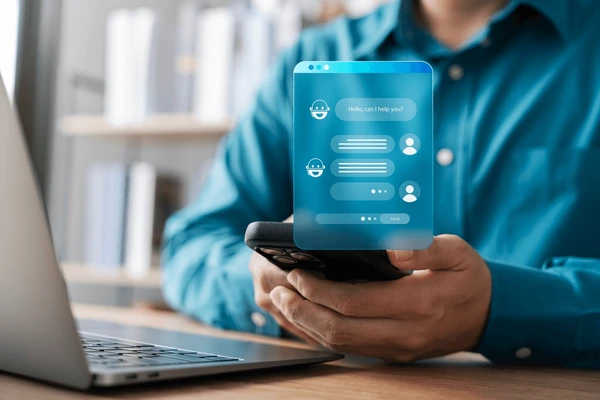
Chatbots work using different technologies and methods.
Natural Language Processing (NLP)
NLP helps chatbots understand human language and user intent.
Machine Learning
Machine learning allows chatbots to improve responses over time by learning from data and conversations.
Database and Algorithms
Chatbots use databases and algorithms to search for correct answers and provide useful responses.
Uses of Chatbots
Chatbots are used in many industries and businesses.
1. Customer Support
Companies use chatbots to answer customer questions 24/7.
2. E-Commerce
Online stores use chatbots to:
- Recommend products
- Track orders
- Help customers shop online
3. Education
Educational chatbots help students learn by answering questions and providing study materials.
4. Healthcare
Hospitals and clinics use chatbots to:
- Book appointments
- Provide medical information
- Remind patients about medicines
5. Banking
Banks use chatbots for:
- Account information
- Transaction history
- Customer assistance
Benefits of Chatbots
1. 24/7 Availability
Chatbots can work all day and night without breaks.
2. Fast Responses
Users receive instant answers within seconds.
3. Cost Effective
Businesses can reduce customer support costs.
4. Better Customer Experience
Quick support improves customer satisfaction.
5. Increased Productivity
Employees can focus on more important tasks while chatbots handle repetitive questions.
Advantages of AI Chatbots
AI chatbots offer advanced capabilities compared to traditional chatbots.
Key Advantages
- Human-like conversations
- Better understanding of user intent
- Personalized recommendations
- Multi-language support
- Continuous learning
Challenges of Chatbots
Although chatbots are useful, they also have some limitations.
1. Limited Understanding
Some chatbots cannot fully understand complex questions.
2. Dependence on Internet
Most chatbots require internet access to function properly.
3. Lack of Human Emotion
Chatbots cannot completely replace human emotions and empathy.
4. Security Risks
Poorly designed chatbots may create privacy and security issues.
Future of Chatbots
The future of chatbots looks very promising. AI technology is improving rapidly, making chatbots smarter and more efficient.
In the future, chatbots may:
- Understand emotions
- Provide more personalized experiences
- Work in advanced virtual environments
- Support businesses with automation
Many experts believe chatbots will become an essential part of digital communication and online services.
Importance of Chatbots in Modern Business
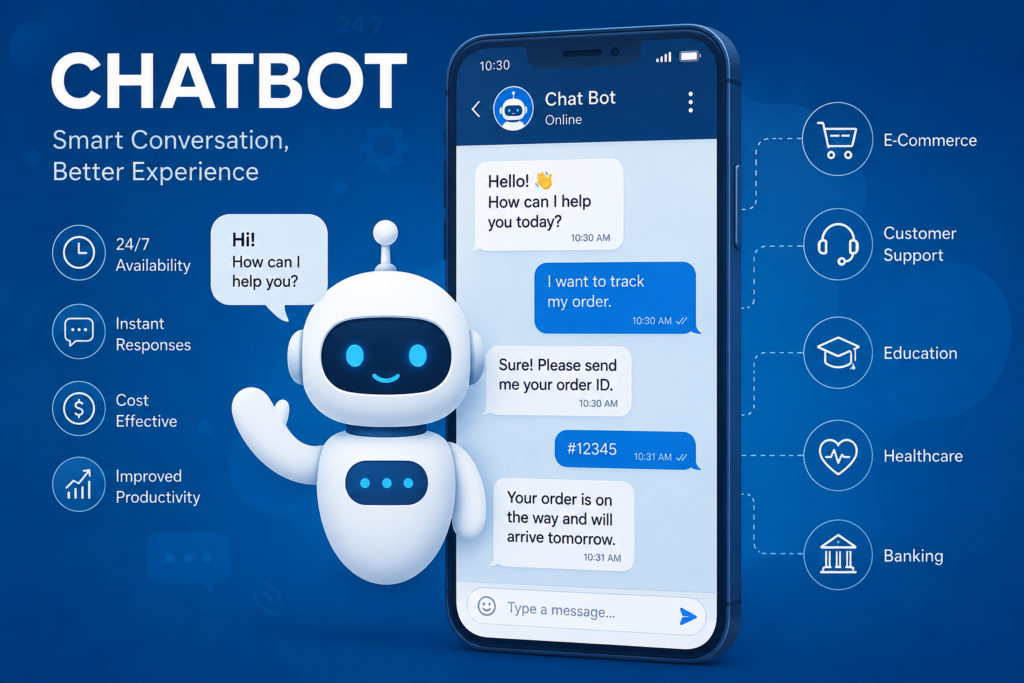
Modern businesses rely on chatbots to improve communication and customer engagement. Chatbots help companies provide fast support, increase sales, and build better relationships with customers.
They also help businesses collect customer data and understand customer needs more effectively.
Conclusion
Chatbots are powerful tools that have changed the way businesses and users communicate online. From customer support to healthcare and education, chatbots are improving efficiency and saving time.
As artificial intelligence continues to grow, chatbots will become even smarter and more useful in everyday life. Their ability to provide instant communication and automated support makes them an important technology for the future.