
Introduction
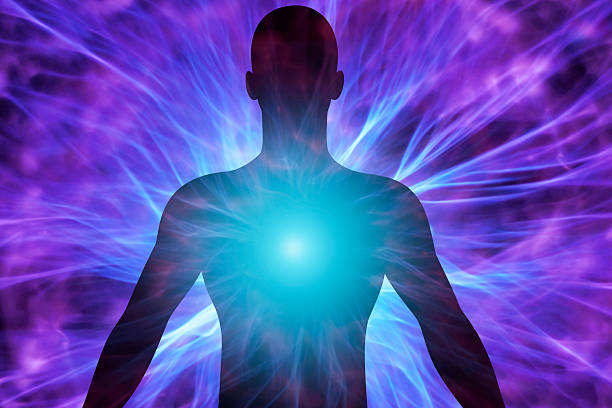
The word Aura is widely used in spirituality, psychology, health, and daily conversation. Many people believe that every person, place, and object carries a special energy field called an aura. This invisible energy is often connected with emotions, personality, thoughts, and physical health. Some people describe an aura as a glowing light surrounding the human body, while others consider it a symbol of a person’s presence or atmosphere.
Aura has become a popular topic because it relates to positive energy, emotions, mental peace, and spiritual growth. Understanding aura can help people improve their confidence, relationships, and overall well-being.
Definition of Aura
An Aura is an invisible field of energy or light believed to surround living beings. It reflects a person’s emotions, thoughts, mood, and spiritual condition.
In simple words, aura is the energy that people feel when they are near someone. For example, some people give positive vibes while others may create negative feelings. That emotional and energetic impression is often called an aura.
Origin of the Word Aura
The word “Aura” comes from the Greek language, where it means “breeze” or “soft wind.” In ancient times, philosophers and spiritual teachers used the term to describe spiritual energy around human beings.
Today, the concept of aura is found in many cultures and religions around the world.
Types of Aura
Different people believe that aura appears in various colors. Each color represents a different emotional or spiritual state.
1. Red Aura
A red aura represents:
- Energy
- Passion
- Strength
- Courage
People with a red aura are often active, confident, and determined.
2. Blue Aura
A blue aura symbolizes:
- Calmness
- Peace
- Communication
- Honesty
People with blue auras are usually trustworthy and emotionally balanced.
3. Green Aura
A green aura is connected with:
- Healing
- Growth
- Nature
- Kindness
Such people are caring and compassionate.
4. Yellow Aura
Yellow represents:
- Happiness
- Intelligence
- Creativity
- Optimism
People with yellow auras are cheerful and positive thinkers.
5. Purple Aura
A purple aura is associated with:
- Spirituality
- Wisdom
- Imagination
- Intuition
These individuals are often interested in meditation and spiritual practices.
6. White Aura
White is considered the purest aura color. It represents:
- Purity
- Peace
- Spiritual connection
- Positivity
Importance of Aura
Aura is important because many people believe it affects:
- Mental health
- Emotional balance
- Relationships
- Confidence
- Personal energy
A positive aura can attract people and create peaceful surroundings, while a negative aura may lead to stress and discomfort.
Positive Aura
A positive aura makes a person feel:
- Happy
- Energetic
- Confident
- Friendly
People with positive energy often inspire others and spread kindness around them.
Signs of a Positive Aura
- Smiling nature
- Calm behavior
- Positive thinking
- Helpful attitude
- Good communication skills
Negative Aura
A negative aura can create emotional stress and uncomfortable feelings.
Signs of a Negative Aura
- Anger
- Jealousy
- Constant sadness
- Negative thinking
- Lack of confidence
Negative energy can affect relationships and mental peace.
How to Improve Your Aura
Improving aura is possible through healthy habits and positive thinking.
1. Meditation
Meditation helps calm the mind and remove negative thoughts. It creates peace and spiritual balance.
2. Positive Thinking
Positive thoughts increase confidence and emotional strength.
3. Healthy Lifestyle
Eating healthy food, exercising, and sleeping properly improve both physical and mental energy.
4. Spending Time in Nature
Nature helps refresh the mind and creates peaceful energy.
5. Avoiding Negative People
Staying away from toxic environments helps protect your emotional energy.
Aura in Spirituality
In spirituality, aura is considered a reflection of the soul and inner energy. Many spiritual teachers believe that meditation, prayer, and self-awareness can strengthen a person’s aura.
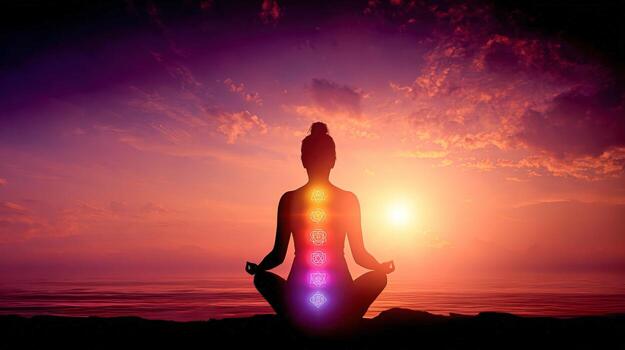
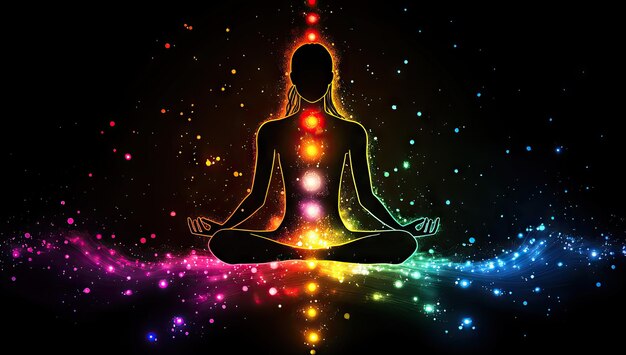
Some traditions also connect aura with chakras, which are believed to be energy centers in the body.
Aura in Daily Life
Even in everyday life, people use the word aura to describe someone’s personality or atmosphere.
For example:
- “She has a positive aura.”
- “The place has a peaceful aura.”
- “His confident aura impressed everyone.”
In such cases, aura refers to the emotional impression or energy someone gives to others.
Scientific View About Aura
Science does not fully confirm the existence of colorful spiritual auras around people. However, psychologists agree that human emotions, body language, and behavior can strongly affect the atmosphere around them.
Positive attitudes often create positive social experiences, while stress and negativity influence others negatively.
Benefits of a Strong Positive Aura
A strong positive aura may help in:
- Building confidence
- Improving relationships
- Reducing stress
- Increasing motivation
- Creating emotional balance
- Attracting positivity
Common Misconceptions About Aura
1. Aura Is Magic
Many people think aura is magical, but most spiritual beliefs describe it as emotional or energetic presence rather than magic.
2. Only Spiritual People Have Aura
Every person is believed to have an aura, not only spiritual individuals.
3. Aura Colors Never Change
Aura colors may change depending on emotions, health, and mental condition.
Conclusion
Aura is an interesting concept connected with human energy, emotions, and personality. Whether viewed spiritually or psychologically, aura represents the impact a person creates around others. Positive thoughts, healthy habits, meditation, and kindness are often believed to strengthen a person’s aura and improve overall well-being.
Understanding aura can encourage people to focus on positivity, emotional balance, and self-improvement in daily life.