
Introduction
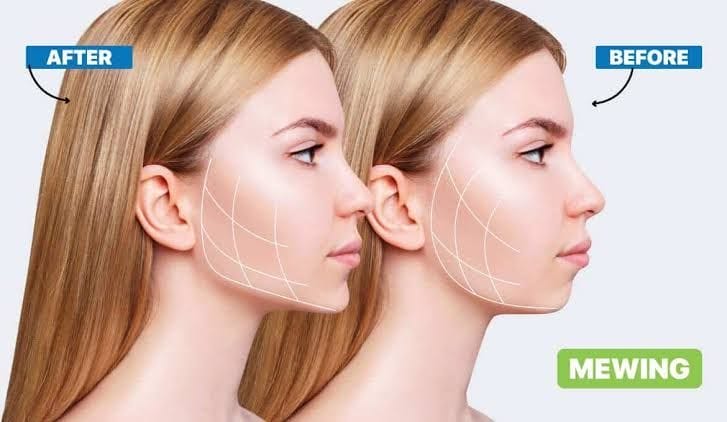
The word “Mewing” has become one of the most popular self-improvement and internet trend terms on social media platforms like TikTok, Instagram, YouTube, and X (Twitter). Millions of people search for mewing because it is connected to jawline improvement, facial structure, beauty trends, and online self-improvement culture.
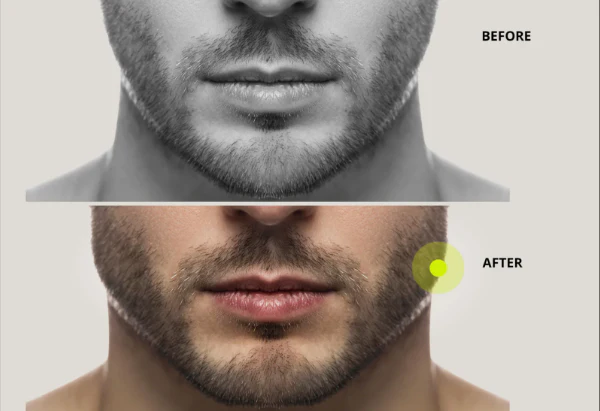
Mewing became especially popular among Gen Z users, fitness communities, and aesthetic-focused content creators. People often share before-and-after photos, jawline transformation videos, and tutorials explaining how mewing works.
The trend is mainly focused on improving facial posture by placing the tongue correctly inside the mouth. Supporters of mewing believe it may help create a sharper jawline, better posture, and improved facial appearance over time.
Today, mewing is one of the most discussed beauty and self-improvement trends on the internet.
Definition of Mewing
Mewing is a facial posture technique where a person places their tongue against the roof of the mouth while keeping proper mouth and jaw posture.
The technique involves:
- Pressing the tongue against the upper palate
- Keeping lips closed
- Breathing through the nose
- Maintaining proper jaw posture
👉 In simple words:
Mewing is a method people use in hopes of improving jawline appearance and facial structure naturally.
Origin of the Word “Mewing”
The term “Mewing” comes from Dr. John Mew and Dr. Mike Mew, orthodontists who discussed facial posture and jaw development.
The internet later transformed the idea into a viral trend. Social media creators began posting:
- Jawline transformation videos
- Face glow-up tutorials
- Self-improvement content
- Before-and-after edits
This caused the word “mewing” to spread rapidly online.
How Mewing Works
The basic idea behind mewing is maintaining proper tongue posture continuously throughout the day.
Main Steps of Mewing
1. Tongue Placement
The entire tongue should rest against the roof of the mouth.
2. Lips Closed
The lips remain naturally closed without force.
3. Nose Breathing
Breathing should happen through the nose instead of the mouth.
4. Jaw Position
The jaw should stay relaxed and properly aligned.
Supporters believe consistent practice may improve facial posture over time.
Why Mewing Became Popular
Mewing became viral for several reasons.
1. Jawline Beauty Trend
Modern internet culture highly focuses on facial aesthetics and sharp jawlines. Many users search for natural ways to improve appearance.
2. Social Media Influence
On TikTok and Instagram, creators post dramatic transformation videos that attract millions of views.
3. Self-Improvement Culture
Mewing became part of the online self-improvement movement alongside:
- Fitness
- Skincare
- Glow-up trends
- Looksmaxxing
4. Easy to Learn
The technique does not require expensive equipment or products, making it appealing to young users.
Claimed Benefits of Mewing
Supporters of mewing believe it may help with several things.
1. Sharper Jawline
Many people practice mewing hoping to create a more defined jawline.
2. Better Facial Posture
Correct tongue posture may improve overall facial alignment.
3. Improved Nose Breathing
Mewing encourages breathing through the nose instead of the mouth.
4. Better Posture
Some users claim it helps neck and head posture.
5. Increased Confidence
Many people feel more confident when focusing on self-improvement.
Is Mewing Scientifically Proven?
This is an important question.
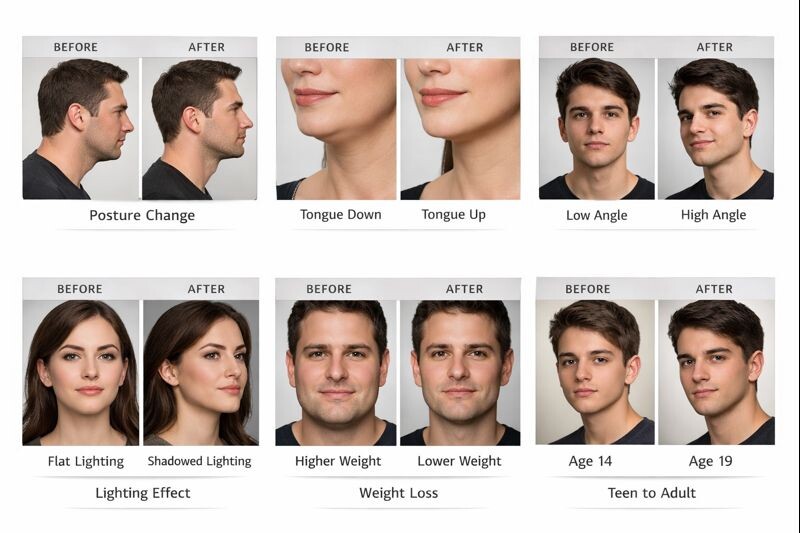
Although proper tongue posture and nose breathing are generally considered healthy habits, there is limited scientific evidence proving that mewing alone can dramatically reshape adult facial structure.
Experts often say:
- Facial structure is influenced by genetics
- Major bone changes in adults are limited
- Social media transformations may be exaggerated
However, maintaining healthy posture and nose breathing can still be beneficial.
Mewing in Internet Culture
Mewing became more than just a facial technique — it turned into a major internet trend.
Popular content includes:
- Jawline transformation edits
- “Glow up” videos
- Sigma/self-improvement memes
- Before-and-after comparisons
- Looksmaxxing communities
The trend is strongly connected to modern online beauty culture.
Examples of Mewing in Sentences
- “He started mewing for a sharper jawline.”
- “Mewing became viral on TikTok.”
- “Many influencers promote mewing tutorials.”
- “People use mewing as part of self-improvement.”
- “Jawline trends made mewing popular online.”
Mewing vs Looksmaxxing
| Trend | Meaning |
|---|---|
| Mewing | Tongue posture technique |
| Looksmaxxing | Improving overall appearance |
| Glow Up | Personal transformation |
| Sigma | Self-improvement personality trend |
Mewing is often considered part of broader internet self-improvement culture.
Criticism of Mewing Trend
Some experts criticize the online trend because:
- Results are often exaggerated
- Social media filters can be misleading
- Unrealistic beauty standards may affect confidence
- Many claims lack strong scientific proof
Because of this, people should approach online transformation trends carefully.
Impact of Social Media on Beauty Trends
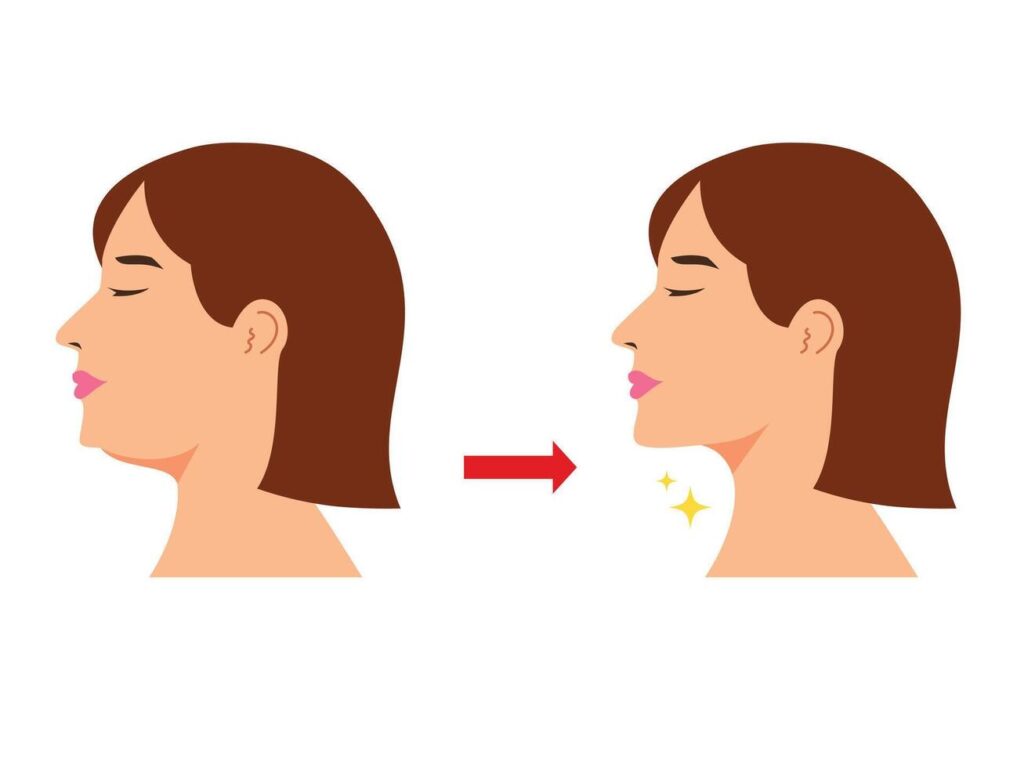
Mewing shows how social media can rapidly turn small ideas into worldwide trends. Platforms like TikTok and Instagram strongly influence beauty standards and self-image.
Internet users constantly search for:
- Better appearance
- Faster transformations
- Self-improvement advice
This demand helps trends like mewing become viral very quickly.
Conclusion
The word “Mewing” has become one of the internet’s biggest self-improvement trends. Originally based on facial posture ideas, it evolved into a viral social media movement focused on jawlines, aesthetics, and confidence.
Its popularity grew through TikTok videos, transformation edits, and online beauty culture. While scientific evidence about dramatic facial changes remains limited, mewing continues to attract millions of people interested in self-improvement and appearance enhancement.
Today, mewing represents the powerful influence of internet culture on modern beauty trends and digital communication.