
Introduction
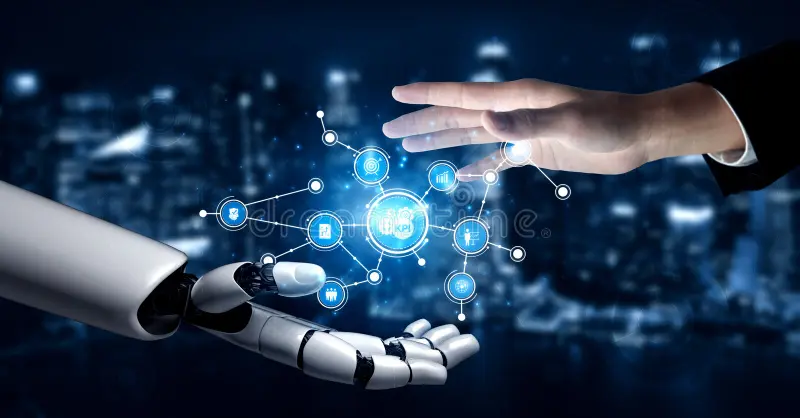
A Robot Human, also known as a humanoid robot, is a machine designed to look and behave like a real human being. These advanced robots are created using artificial intelligence (AI), robotics, sensors, and computer programming. Robot Humans are one of the most exciting inventions of modern technology because they combine human-like appearance with intelligent machine systems. In recent years, humanoid robots have become very popular on the internet, social media, and technology industries because they represent the future of innovation and smart living.
Technology companies and scientists around the world are working on creating robots that can communicate, learn, think, and interact naturally with humans. Some humanoid robots can recognize faces, answer questions, understand emotions, and even perform physical tasks like walking or carrying objects. As AI technology continues to grow, Robot Humans are becoming more realistic and intelligent every year.
Definition of Robot Human
A Robot Human is a type of robot designed with human-like features such as a face, arms, legs, voice, and body movements. These robots are powered by artificial intelligence systems that allow them to process information, understand commands, and perform actions automatically. Humanoid robots are built to interact with humans in a natural and friendly way.
Unlike ordinary machines, Robot Humans can communicate using speech recognition technology and sometimes even display emotions through facial expressions. Their main purpose is to assist humans in different tasks and improve efficiency in many industries.
History of Humanoid Robots
The idea of human-like robots has existed for many years in science fiction movies and books. However, real humanoid robots started developing when robotics and computer technology became more advanced. Early robots could only perform simple tasks, but modern robots are much more intelligent and interactive.
Today, many companies are creating advanced humanoid robots for public use. Some famous robots can hold conversations, greet people, and provide customer support. These developments show how quickly AI and robotics technology are improving around the world.
How Robot Humans Work
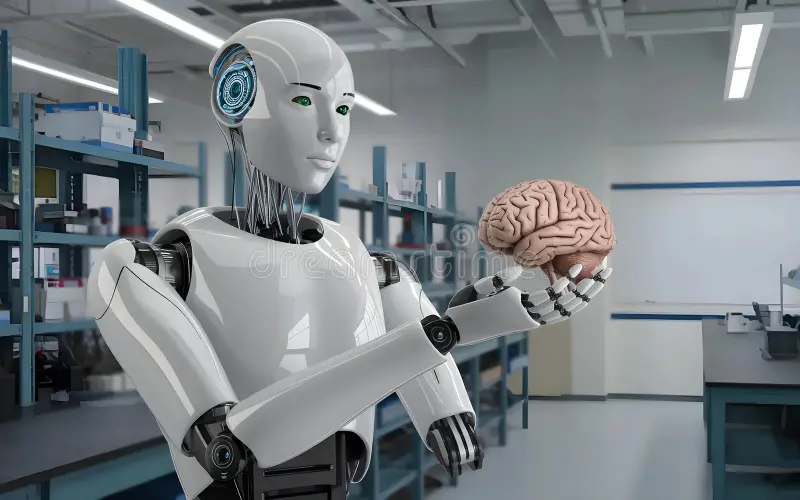
Robot Humans work through a combination of hardware and software systems. Artificial intelligence acts as the brain of the robot, while sensors, cameras, and motors help it interact with the environment.
The main technologies used in humanoid robots include:
Artificial Intelligence (AI)
AI allows robots to think, learn, and make decisions based on information.
Sensors
Sensors help robots detect objects, temperature, movement, and sound around them.
Cameras and Facial Recognition
Cameras help robots recognize people, faces, and surroundings.
Speech Recognition
This technology allows robots to understand human language and respond to questions.
Robotic Movement Systems
Motors and mechanical parts allow robots to walk, move arms, and perform tasks.
All these systems work together to make Robot Humans behave more like real humans.
Uses of Robot Humans
Robot Humans are becoming useful in many fields because they can perform tasks efficiently and accurately.
Healthcare
Humanoid robots are used in hospitals to assist doctors, guide patients, and deliver medicines. Some robots also help elderly people with daily activities and provide emotional support.
Education
Schools and educational centers use robots to make learning more interactive and interesting. Robots can teach lessons, answer student questions, and help with language learning.
Customer Service
Many shopping malls, airports, hotels, and restaurants use humanoid robots for customer support. These robots can greet visitors, answer questions, and provide directions.
Factories and Industries
Robot Humans help in factories by performing repetitive and heavy tasks quickly. They improve productivity and reduce human effort.
Entertainment and Media
Humanoid robots are also popular in movies, gaming, social media content, and technology exhibitions because of their futuristic appearance.
Advantages of Robot Humans
There are many advantages of using humanoid robots in modern society.
1. Increased Efficiency
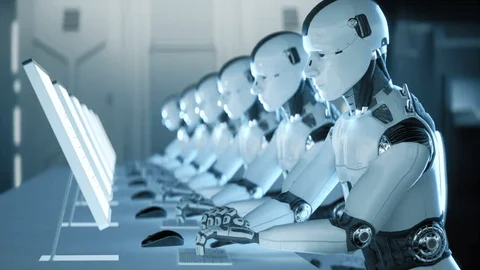
Robots can work continuously without getting tired, which increases productivity.
2. Fast Performance
Humanoid robots can complete tasks quickly and accurately.
3. Safety
Robots can perform dangerous tasks that may be risky for humans.
4. Better Customer Support
AI robots can provide instant responses and improve customer experiences.
5. Assistance for Elderly People
Robot Humans can help older people with daily activities and healthcare support.
Disadvantages of Robot Humans
Despite their benefits, humanoid robots also have some disadvantages.
High Cost
Developing advanced robots requires expensive technology and research.
Job Replacement
Some people fear that robots may replace human workers in certain industries.
Lack of Human Emotions
Although robots can imitate emotions, they do not truly understand human feelings.
Privacy and Security Risks
AI systems may create concerns related to data privacy and security.
Dependence on Technology
Excessive use of robots may increase human dependence on machines.
Future of Robot Humans
The future of Robot Humans looks extremely advanced and exciting. Scientists believe that humanoid robots will become more intelligent, realistic, and helpful in daily life. Future robots may work as personal assistants, healthcare helpers, teachers, and household workers.
Artificial intelligence technology is improving rapidly, and future robots may understand emotions better and communicate more naturally with humans. Many experts believe that Robot Humans will become an important part of homes, offices, hospitals, and public services in the coming years.
Some futuristic predictions suggest that humanoid robots could eventually drive vehicles, manage smart homes, and support humans in space exploration. The combination of AI and robotics may completely transform the way humans live and work.
Impact of Robot Humans on Society
Robot Humans are changing society in many positive ways. They help businesses improve efficiency and support industries with advanced automation. In healthcare, robots provide better patient care and assistance. In education, they create modern learning experiences for students.
However, society must also carefully manage the challenges of AI technology. Governments and technology companies need to ensure that robots are used safely and responsibly. Ethical rules and security systems are important to prevent misuse of advanced AI robots.
Conclusion
Robot Humans are one of the most fascinating creations of modern technology. They combine artificial intelligence, robotics, and human-like behavior to create intelligent machines capable of assisting people in many areas of life. From hospitals and schools to factories and customer service centers, humanoid robots are becoming more common every year.
Although there are challenges related to cost, privacy, and job replacement, the future of Robot Humans remains very promising. As technology continues to evolve, humanoid robots may become trusted companions and helpful assistants in everyday life. Robot Humans represent the future connection between humans and intelligent machines, making the world more advanced and innovative.